Maintenance
Common Pillar Drill Machine Problems and Replacement Parts
Published · Vishwakarma Engineering Works
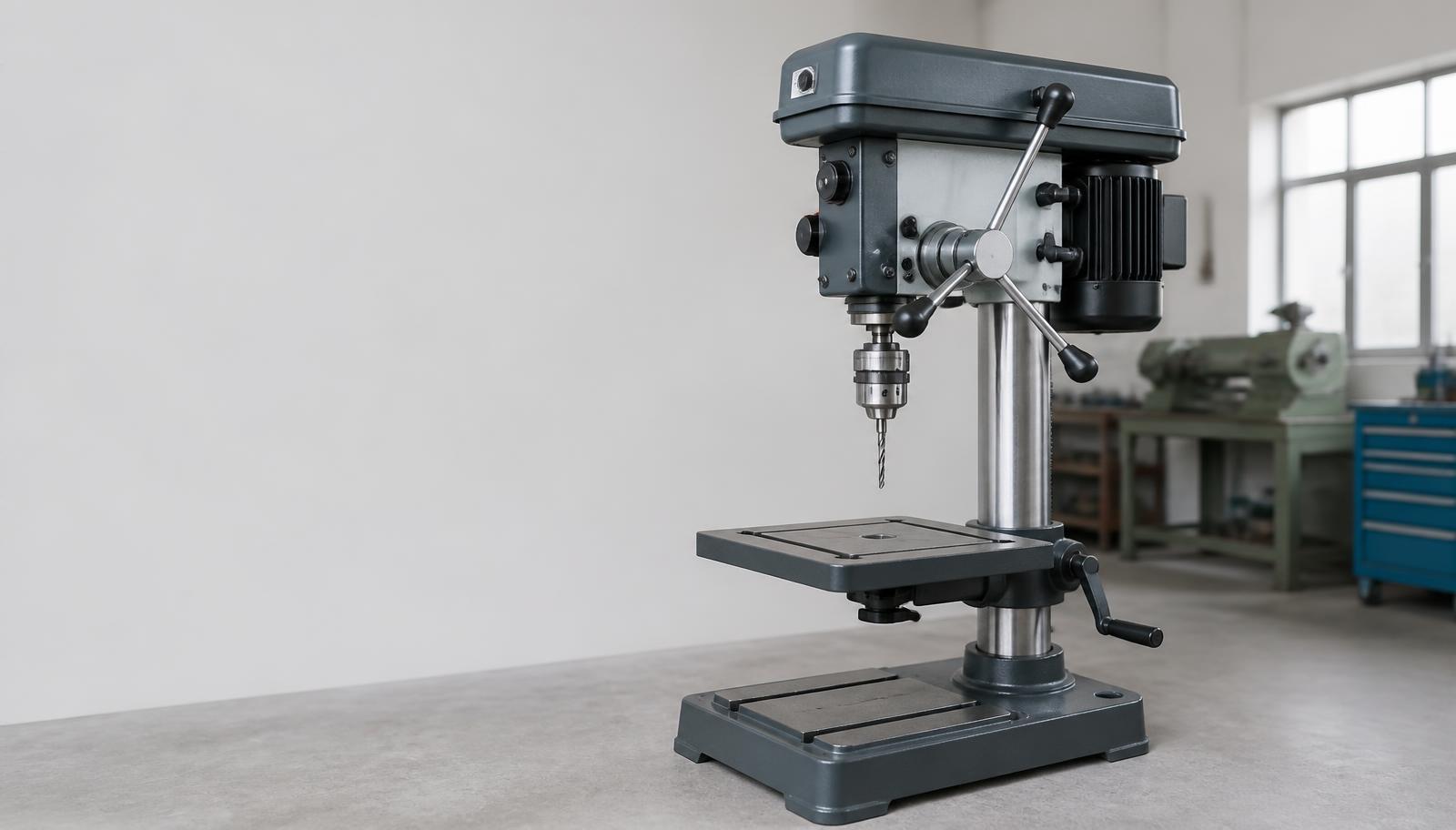
Most drill machine faults repeat themselves across workshops. Recognising the pattern saves a great deal of dismantling.
Below are the complaints we hear most often, what usually causes them, and the parts normally involved in the repair.
The machine loses speed under load
This is almost always the belt drive rather than the motor. Check belt tension first, then inspect the grooves of the motor pulley and main pulley for polishing or widening. A belt sitting low in a worn groove cannot grip.
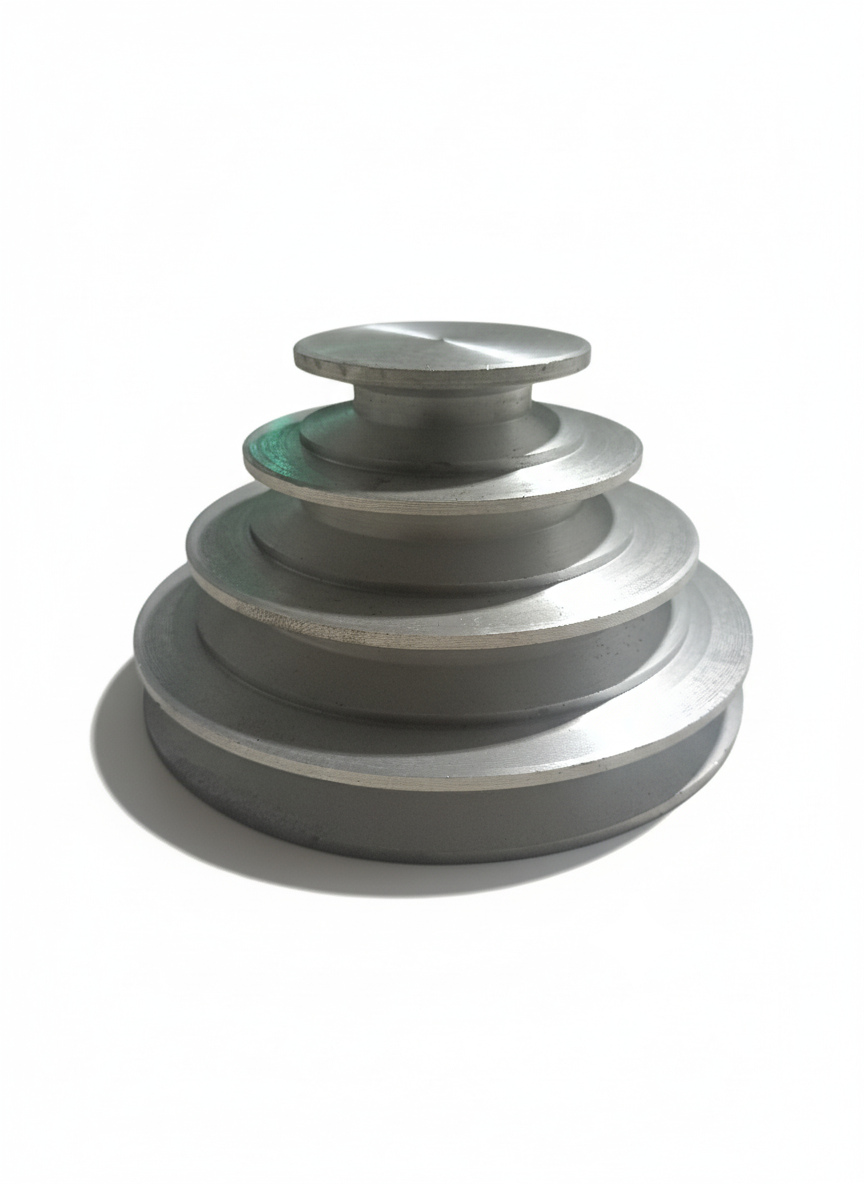
Parts usually involved: motor pulley, main pulley with gear, motor plate and motor plate studs where tension adjustment no longer holds.
The drill wobbles or holes come out oversized
Rule out a bent drill bit and a worn chuck before going further. If the wobble persists with a known-good drill, look at spindle runout and end play.
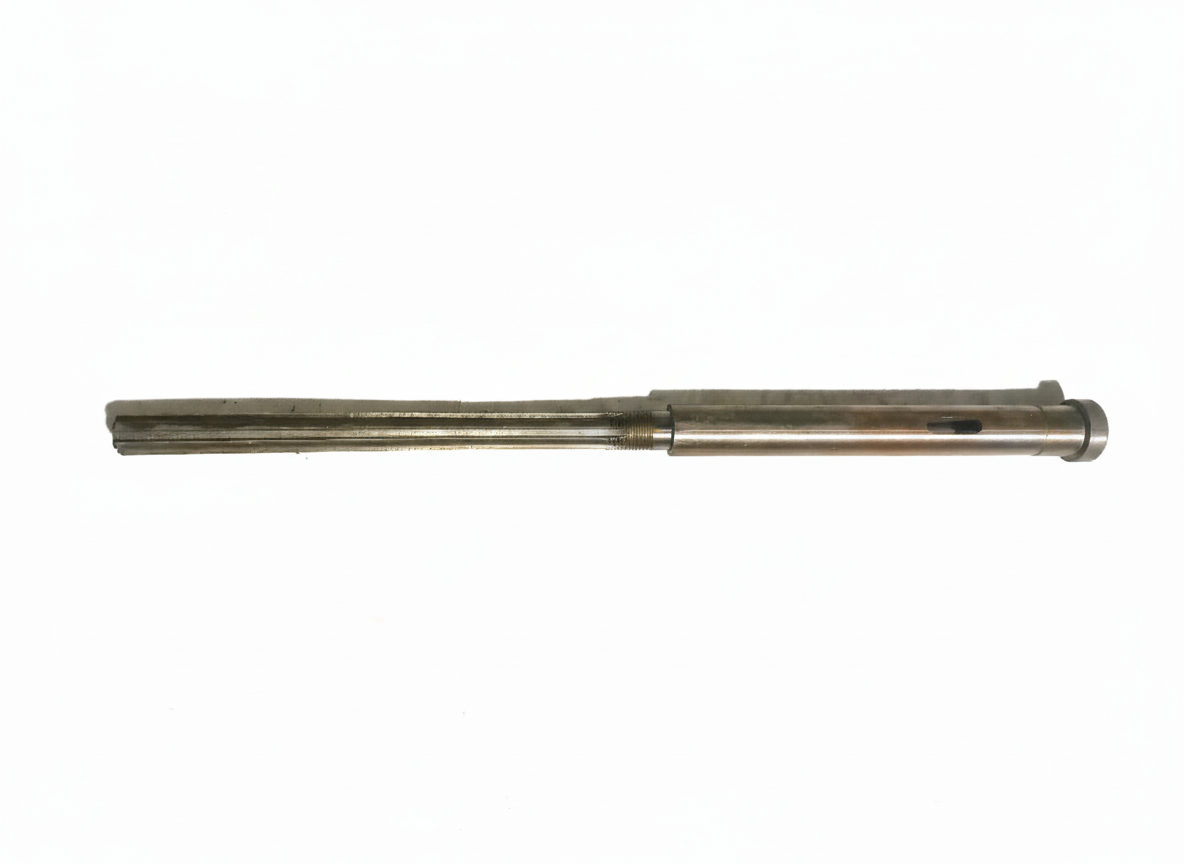
Parts usually involved: main spindle, spindle nut, bearing housing and top bearing bracket.
The table slips down while drilling
A table that settles under cutting load is a clamping failure. Over-tightening the lock is a temporary fix that accelerates wear on the column.
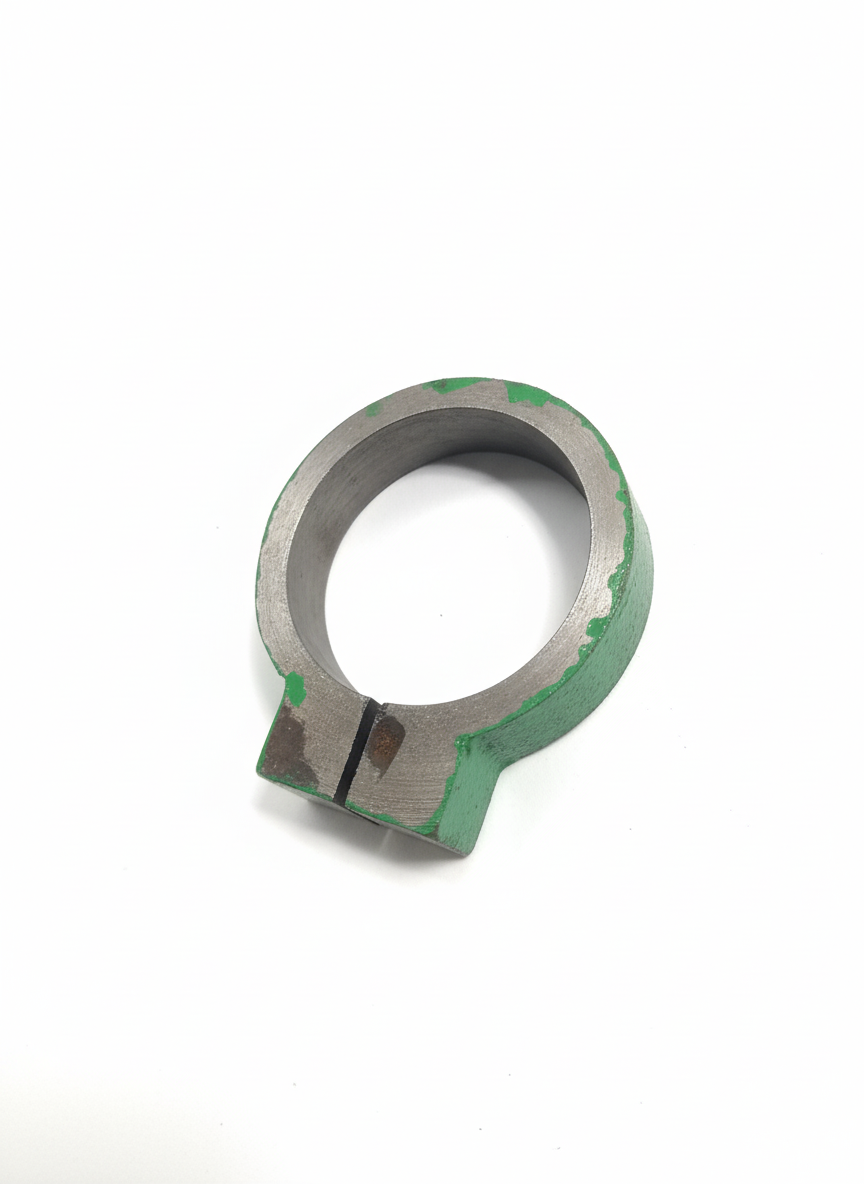
Parts usually involved: rack lock ring, rack lock with handle, pillar bracket and table bracket.
The feed handle does not return
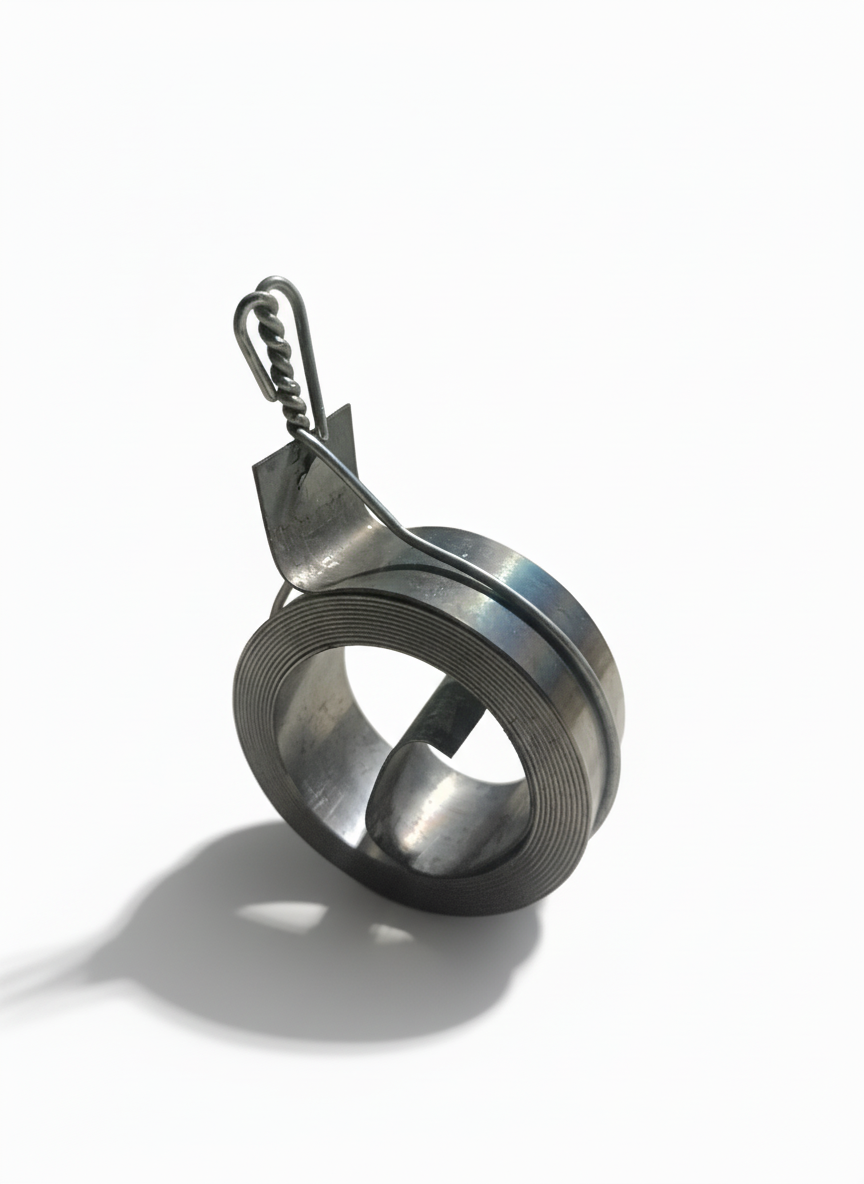
The return spring has either lost tension or broken. Adjustment at the spring housing sometimes recovers it; if not, the spring is due for replacement.
Parts usually involved: coil spring and spring housing, plus a bakelite knob if the grip is also damaged.
Feed movement feels rough or notchy
Clean and lubricate the sliding surfaces first — dry swarf in the ram bore mimics wear. If roughness remains after cleaning, the sliding fit or the feed mechanism itself has worn.
Parts usually involved: ram, ram nut, slotted sleeve and the feed eccentric.
Simple maintenance that prevents most of this
A short routine goes a long way on a drill machine.
- Clear swarf from the table and column at the end of each shift
- Keep the column and ram lightly oiled
- Check belt tension periodically instead of waiting for slip
- Listen for new noises in the head and investigate early
Frequently asked questions
- My machine is noisy only at low speed. What should I check?
- Low-speed noise generally points at the back gear engagement. Inspect the back gear and main gear teeth for chipping and check that the engagement mechanism is holding fully.
- How often should the return spring be replaced?
- There is no fixed interval. Replace it when the handle stops returning fully on its own, or when tension can no longer be set at the spring housing.
- Is it worth repairing an older drill machine?
- Usually yes. The main castings on these machines outlast the wearing parts, so replacing gears, spindles and brackets often restores a machine to good working condition.
Related Products
Related Articles
- Complete Guide to Drill Machine Spare Parts
A practical walkthrough of the main assemblies inside a pillar drill machine, what each spare part does, and how to identify the component you actually need before enquiring.
- How to Choose the Right Spare Parts for a Pillar Drill Machine
Machine size, dimensions, tooth count and mounting details all decide whether a replacement part will fit. Here is a straightforward method for choosing correctly the first time.
- Drill Machine Spare Parts Names: Complete Guide
Learn the names and functions of common drill machine spare parts, including spindles, gears, pulleys, rack gears, pinions, tapper blocks, brackets and more.
- Drill Machine Parts & Components Guide
Learn about key drill machine parts and components, their functions in drilling, power transmission, and movement, and how to identify replacement parts.
Need a drill machine spare part?
Send us the part name, machine size or a photograph and we will confirm availability and price.